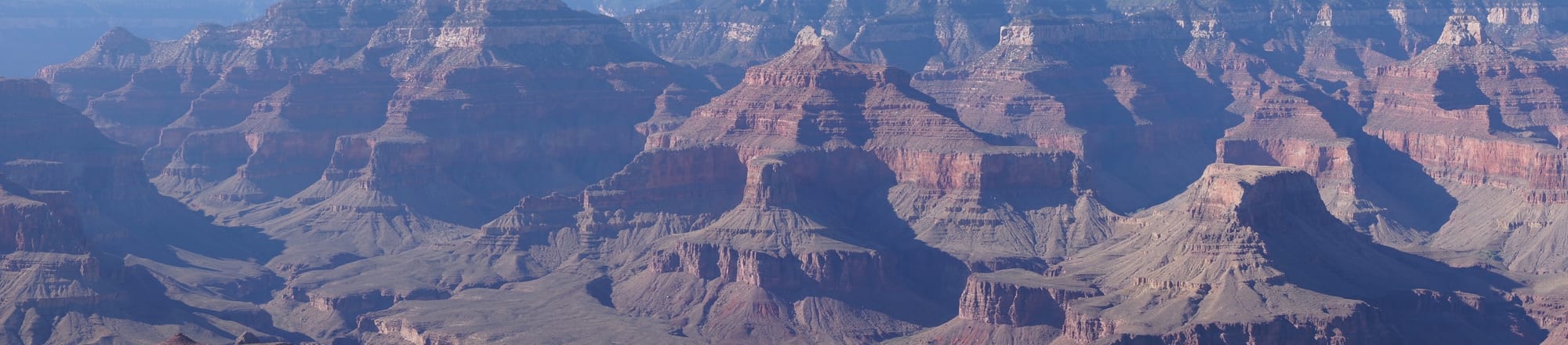
Chapter VII: Where dragons follow
They said the man was born with a copper taste on his tongue and a fence staple in his pocket. That was later, after it all went wrong. In the beginning he was only a man with a small patch of earth and a friend who shared the last loaf and the last joke and the last night of harvest.
Hunger makes the world narrow. The year the sky forgot to rain and the river held its breath under stones, he and his friend Niles walked the fence lines and told each other lies to make the day pass: about rain that was surely on its way; about a cow that had somehow kept milk secret; about a letter with money tucked inside, delayed but certain. Their boots learned the shape of the cracks in the ground. Their ribs learned to count.
The nail lived in his pocket then, bright as a penny and too long for any carpentry he could afford. He’d found it clean in a ditch months back and kept it like a charm. Copper holds promise, folks say. Copper holds curses, folks say. Folks say plenty.
On the third day of walking, when the sun went flat and the flies moved as if considering law, Niles laid down in the shadow of a broken gate and fell asleep with his mouth open like a boy in wonder. The man looked at his friend’s throat working and thought of the sound the mill bell used to make—two notes, the second catching up like a polite cousin—and then, fidgiting with the copper nail, he thought of nothing at all for a very short time. Red. Black. Blank.
He did it quick and wrong.
After, he couldn’t decide whether to live or to follow. The body asked the first choice, the shame asked the second.
...
He took the nail out of the ground and wiped it clean and put it back in his pocket because he did not know what else to do with it. Then he walked until the road forked into four, like a palm waiting for lines.
Crossroads keep their own hours. Even when the town bell lies, the four ways remember noon and midnight and hold them the same. He stepped into the center and felt the world thicken, as if time had stirred and found a knot. He spoke without knowing he was speaking. He said he was hungry. He said he did not want to do that again. He said he would make a trade if the world would stop looking at him the way it had since the gate.
“Trades are my language,” said a man from the ditch, clean as a fresh idea. His coat did not keep dust; it refused it. He could have been a preacher or a clerk or the father of a boy, but he was none of those. “What have you got?”
The man showed him the nail because it was what he had. The stranger smiled like a father at a child who brought a button where a coin was needed. “Copper,” he said, tasting the word. “Conductor of heat and harm and oaths. That’ll do. You want what?”
“Food,” the man said. “For the town. For as long as I live.”
“For as long as you live,” the stranger echoed, pleased, as if the man had stumbled onto the proper phrasing. “You’ll bind yourself to the harvest. You’ll be the tremor in the stalk and the hush in the rain. The copper will carry you. You will thrive when they thrive and fail when they fail. You will not eat another friend. You will never be empty. You will never be full.”
The man did not examine the parts that glittered. He nodded because he was tired, and the stranger took his hand like a notary and turned the palm up and pressed the nail’s head hard into the meat until a little round mouth was made there. “This is where the oath will listen,” the stranger said, and the man winced and said yes because he had already eaten and no because he remembered eating and neither word helped.
“How?” the man asked.
“Walk your ground,” the stranger said. “Mark your corners. Copper at the four extremities, buried in red dust. Wire the fence lines so the field hears itself. Speak into the wire and the earth will hum your name back. Keep your hands off the bell. Let it be honest, or it will make you a liar, and we can’t have that. Oh—and when they thank you, take the thanks easy and small. Too much gratitude spoils like milk.”
He set the nail in the man’s palm and turned away without footprints. The man stood in the middle of the four roads until he knew how to breathe again, and then he went home.
He did as he was told. He drove copper nails at the corners of the patch, north-east-south-west, and strung copper wire along the fence rails so thin you had to squint to see it catch the light. He walked the rows and spoke his name into the wire until his name was a song he didn’t recognize. He put a penny under the pump stone and one under the doorstep and one under his own tongue and went to sleep with the taste of metal like a promise. The wind changed. The soil loosened. Rain found its manners. The first shoots lifted their green heads and did not stop.
People came with baskets and words like miracle and providence and good fortune and sprung pipe. He showed them the ground with the same humility he showed the sky. He did not tell them about the crossroads because some truths only cheapen when you trade them. He did not tell them about Niles because some truths deserve to be carried, not displayed. He let them count the ears of corn and tally the sacks of wheat and pretend they had all been clever together.
Years touched him and kept going. He married a woman with clever hands and a laugh that could call birds, and a daughter came of it—sharp and quick, born with that same copper taste for secrets. He told the child not to touch the wires and then taught her how, because the world does not reward ignorance. He put a small book of words he didn't understand that his wife kept—but warned him about sharing with the child—on a high shelf and then moved it lower because he hated ladders and because he knew she would find it anyway. When she slept, he walked the fencelines and listened for his name in the wire like a man listening for forgiveness in a language he barely speaks.
He would have gone on like that, a soul spread thin across a hundred acres, if not for the day the town began to choose the story that would hurt it less. When a cow turned up dead at his door without a mark, when a neighbor's child got a fever that sugar wouldn’t catch, when the bell at noon faltered because the rope had swollen and the clapper stuck for half a second—small things, stupid things—they came to his door with faces like sacks tied tight at the mouth.
“What have you done,” they asked, as if the words were a single word.
“What I said,” he told them. “Copper at the corners. My name in the wire. The work you eat.”
They didn’t like that. They wanted a secret that would make him someone else, a lever they could pull to make the world simpler, a rope they could throw over a limb and feel their fear leave them through their hands. Someone said the word devil like it had a handle. Someone said the word banish like it was a prayer. They did not hang him, though half wanted to. They pushed him to the edge of his own field and told him if he took a step onto the road, the road would take him and the town would not ask after his name again.
“All right,” he said. “I’ll walk the fence.”
He kept his promise and theirs. He slept in a lean-to he made from two rails and a sheet of tin. He ate corn raw and onions with dirt still in their hair. He watched his wife stand in the doorway with her arms crossed like a bridge and watched his daughter learn how to be small and large at once, depending on who needed what. At night he went to the crossroads and pressed his palm to the dirt and said, “I am still hungry,” and the dirt pressed back in that copper-ringed mouth and said, “You will always be.”
Crops make a town greedy. Good seasons can teach you the wrong habits. When the girl was attacked in her own room and the wrong words came out right and she called something much older than her mother’s warning, the town blamed him first in their hearts. Evil knows the path a wish walks. The wish found the fields and the fields were him. The dragon that burned the bottoms burned him. Every stalk that crisped was a nerve set alight. He felt the bell choke at noon and hated it because he’d kept his hand off it, he’d left it honest as he was told. When they turned on his daughter, when they called her witch and bringer and trouble, he went to the fence and took hold of the copper wire with both hands as if he meant to pull the whole ground up and wrap it around her like a coat. The wire warmed under his palms. It hummed his name and hers and did not let go.
He did not go to the meeting at the tower, though he could hear it like thunder buzzing. He did not beg them to keep her, because begging would have made them feel righteous. He stood by the cottonwoods and watched his wife and another woman—she’d grown by then, the one who would later take care with oranges and sugar—walk to the fence and lift the rail towared the east with bread and a ribbon and a look no one could name. He wanted to say “forgive me,” but what he meant was “forgive yourselves,” and that never lands well, so he held his tongue until it was just copper.
The crossroads man found him there, hands on the wire, mouth full of a taste that would not quit. “How’s the harvest?” the stranger asked, polite as ever.
“Bound,” the man said, and bit the word.
“Bound is the nature of things,” the stranger said. “Souls to copper, towns to bells, daughters to their fathers’ debts.”
“I paid,” the man said.
“You started,” the stranger corrected. “But look—this is tidy. Your girl has clever hands. She’ll learn to tune a town. She’ll make rules and break them and think she’s only ever solving problems. Your name will go on humming in these wires long after they forget why their mouths taste metal on certain windy days. And you...”
“What about me.”
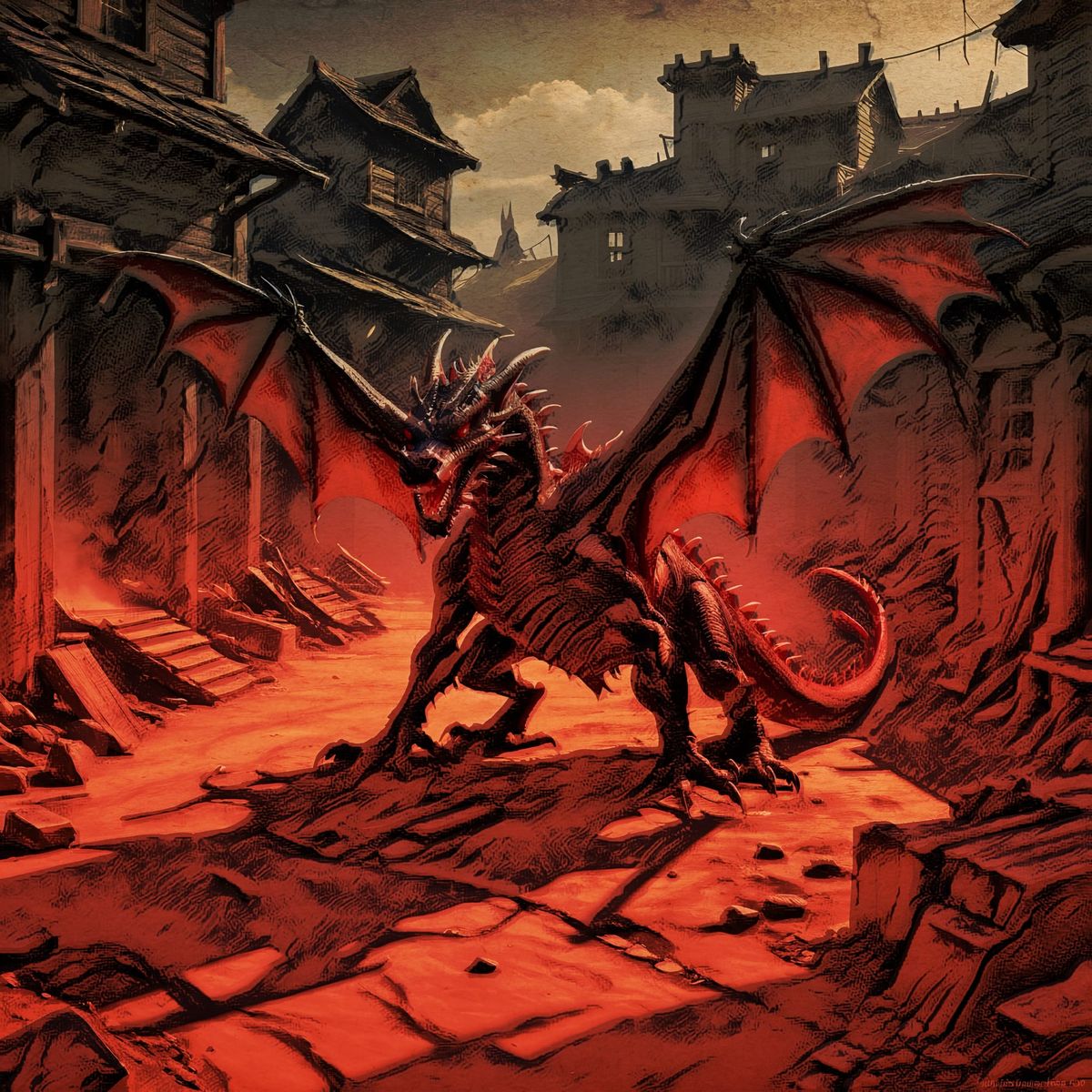
“You’ll last as long as the copper holds,” the stranger said. “As long as the rows run straight. When the dragon comes—and it will, because dragons follow the stench of this kind of debt—the fields will scream your name and the town will not remember why it sounds so familiar.”
He might have tried to strike the stranger then but what use was it to hit things that didn’t make dust. He took the nail from his pocket—the same nail, cleaned a hundred times, head worn smooth by his thumb—and pushed it into the post at the corner of the field. He drove it home with a stone, hard, then harder, until a line of blood opened in his palm where that little round mouth had first been pressed, and the wire sang high and sweet and awful all at once.
“Make it mean something,” he said to the field, to the stranger, to whatever listened. “Make the food I stole buy more than a body’s next hour. Make my girl a way through all this.”
“There are cheaper prayers,” the stranger said, smiling like a ledger that had come out even. “But I can work with that.”
In the years after, children swore they saw a man walking the fence at dusk, one hand on the copper as if taking its pulse. The bell at noon faltered now and then and no one could say why, not even the woman with the paper voice, who had her own ledgers and her own bargains. When the fields finally went to glass and the river hid and the dragon traced heat over the bottoms and the world took what it was owed, the man felt it like a letter read aloud, each name a cut.
They did not bury him because he did not quite die. He became a remainder in the ground—a warmth in the furrows on cold mornings, a taste on the wind, a hum in the wire when a child touched it and got a shock that felt like a story. He stayed where he had promised to stay: at the corners, in the copper, inside the oath. If you said his name at the four roads, the air would lift like a bird considering the idea of flight.
If you walk that field now on a still day, you can hear him sometimes in the wires if you know how to keep your breath quiet. It isn’t language anymore. It’s the sound copper makes when it remembers a name.
The story after his ends is the story you’ve heard—the girl’s paper voice, the dragon’s shadow, the man with dust in his hat and maps under his skin, the bell that learned to lie, the town that learned to forget, the debts that call themselves mercy. But before all that, there was a father with a nail and a friend and a hunger that made a bargain at a crossroads. The crops came up because he paid. They failed because all bargains are clocks, and his ran out.