The Nail in the Wind
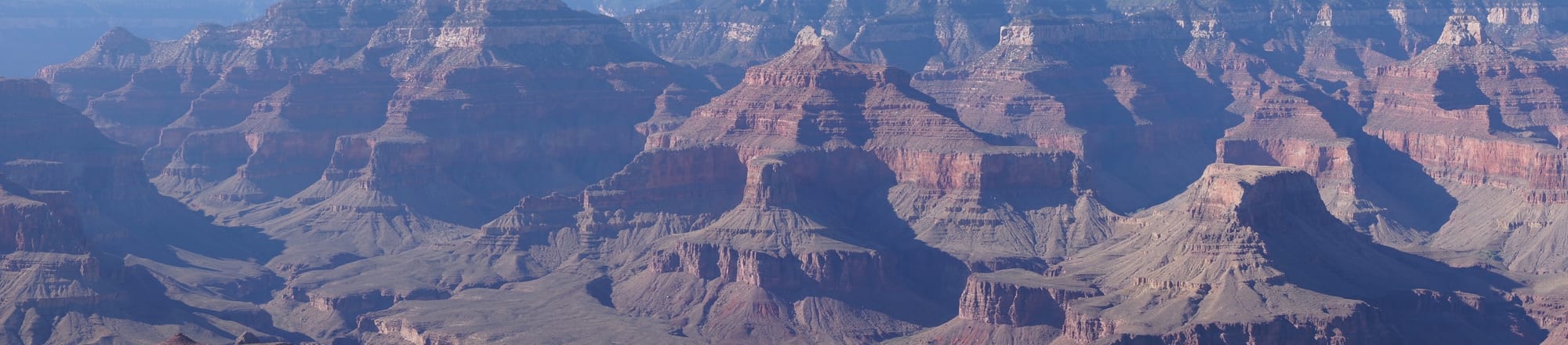
They stood a long while on the granite lip, learning the cathedral’s weather with their eyes before they dared offer it their breath. The basin held its silence like a lake holds stars. Between them and that impossible architecture stretched a plain of stone so smooth it reflected sky, and above it the invisible winds combed the light into barely visible ribs. The phoenix tucked its heat to a pilot flame and circled once, twice, then settled back—as if to say: ask politely.
They went on foot. Horses do not owe devotion to physics that changes its mind.
Each step felt weighed and then permitted. Hope kept her palms open, fingers soft, as though approaching a skittish animal. The gunslinger walked with the old economy: toe placed where heel will want to be, eyes measuring distance the way a bell measures time. The second note in their ribs kept count.
The air pressed and then yielded. Their coats whispered. The winds whispered back.
Not words. Not even thought. A suggestion of language. The basin filled with the scratchy lullaby of a dozen almost-voices, the sound maddened men make when they’ve been convinced they’re alone and start talking to the rules.
Hat brims did not survive uninspected. A small current ran its curiosity around the gunslinger’s crown, found the sweat-darkened felt, and bent the edge a fraction as if pinching cheek. Another thread of moving nothing teased the leather thong at Hope’s collar and plucked it like a harpstring. Somewhere behind them, a pebble forgot and hovered; a moment later it apologized to gravity and set itself back down.
The winds were inspectors old as permission.
They tasted the belts that held star-iron and featherwork. They ran ghostly fingers along brass and found in it not arrogance but careful work. A sheet of pressure slid down the barrel’s spiral and approved of its honesty. A cooler draft went through Hope’s sling, lit on Mpatapo and Epa in the stitching, and hummed once—the way a grandfather hums at a good knot. They smelled the moon-cord and learned the laugh that had taught it chores.
They circled. They measured. They found something else.
In the small pocket sewn inside Hope’s coat, beneath a fold of Adinkra that kept faith and lint, sat a nail the color of old pennies. Mercy had pressed it into her palm at the bar when the tea went sober and the talk turned to between-places. “For luck,” he’d said, toasting normal life like a rare vintage. “And for doors that don’t remember they owe you.” She had tucked it away as you tuck away a brother’s worry.
The winds found the copper the way hounds find truffle.
Pressure lifted and converged. A chord swelled so low it felt like the ground thinking. The currents stopped being shy and showed their hands: not fingers, not claws—shear. A hum rose that wasn’t heard so much as endured. It came from all directions and none, the kind of sound that convinces a mind to lay down its tools and walk away if it isn’t held by something better.
The gunslinger’s hat brim flattened and then peeled back, a petal before rain. Hope’s vision tunneled and then widened; the stone beneath them went from mirror to slate to paper. She reached for the door-shapes stitched into her sleeve and found Gye Nyame steadying the middle of her. He reached for the small bell between his lungs and made it ring twice.
The hum tested sanity and found it armed.
Then—flash. Not light; agreement. A quick revision in the ledger of where.
Darkness fell like ash and then learned to be smoke. The smell was rain on wire. The taste was blood learning to be metal. Hope lifted a hand and saw only the thought of a hand, then lines, then flesh. The world put its corners back on and let them keep some.
They stood, blinking, inside the cathedral.
It was not a hall and yet it was hall. The pillars that elsewhere had been rumors were here declarations: columns of force holding nothing and everything, humming in chords that tickled the molars. Arches of probability bent and rebent, never touching, their crosspoints marked by brief, delicate stars. The floor was not floor. It was the convergence of assumptions with enough manners to carry weight.
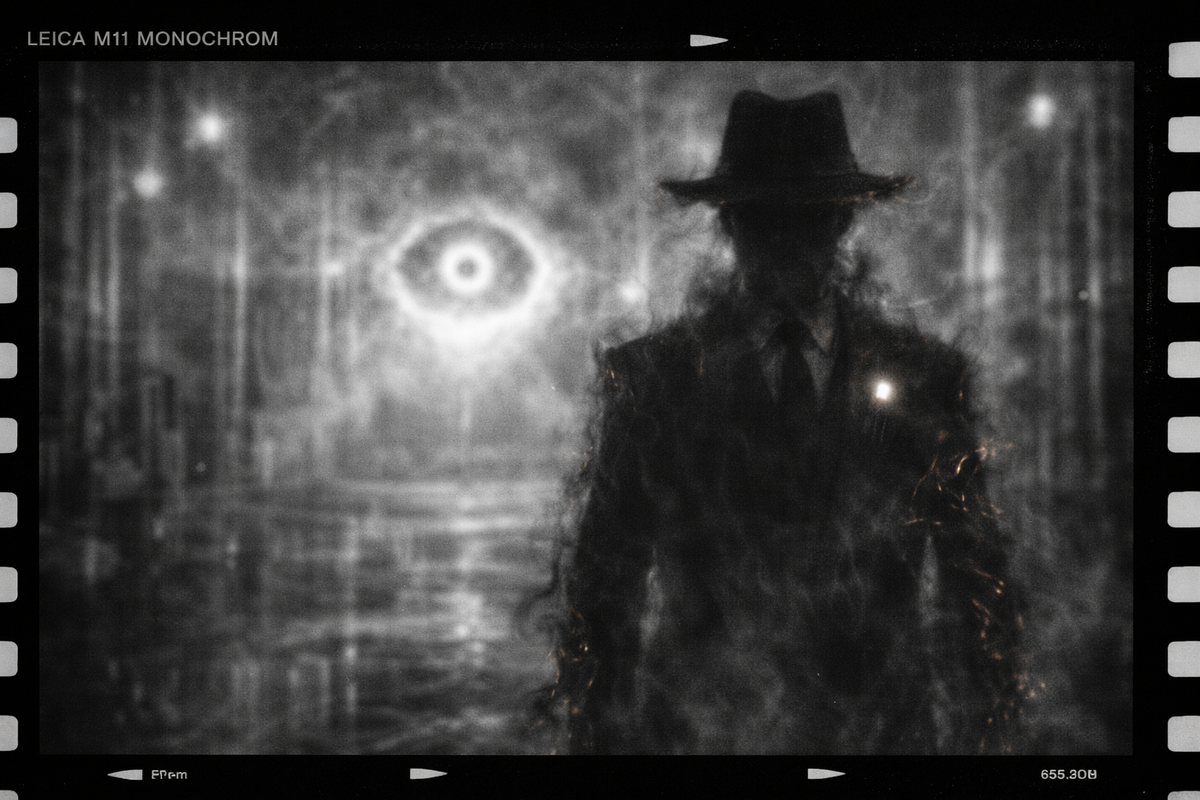
At the center of the vastness burned an eye.
Not set in a face; not under a brow. A pupil deeper than night and ringed in a corona of blue-gold that never flickered. It did not dart; it held. Heat radiated without haste. Around it, a congregation of orbiting charge moved as if following old hymns in new voices—electrons doing slow, stately dances too patient for human watching. Invisible winds—the ones that had sifted a giant into theory outside—spiraled in calm guardianship, holding the whole in a cradle of correction.
Hope felt her laugh rise, then settle, unspent. The gunslinger did not reach for a cartridge. He reached for the habit of standing still.
Something else stood with them. They knew it before they turned.
Copper’s breath. That bright, tin-sweet ghost off coins and wire and telegraph keys. It threaded the cathedral’s clean air and taught the nose to remember factories. A would-be gentleman in dustless dark stepped out from behind a column that could not hide anything, hands folded as if pretending to attend church.
“An usher,” he said lightly, nodding toward the knife-edge winds beyond. “Never underestimate good staff.”
He wore the same careful clothes he always wore: a coat that couldn’t be smudged, a smile that never turned honest accidentally. At his wrist a cufflink shown no brighter than law; at his throat the absence of a tie looked like a decision. The dust refused his shoes out of policy.
“Copper,” Hope said, hand against the nail through the cloth, as realization tightened behind her sternum.
“A nail,” the demon agreed cheerfully. “A brother’s love. A bar’s hospitality. A handoff. A conductor’s passport. You invited me. It was rude to refuse.”
The gunslinger’s jaw moved once, like a door testing its hinges. “You hitchhiked on kindness.”
“I prefer conducted on continuity, but you know what they say about good intentions,” the demon said. He breathed in as if savoring a perfume and let the cathedral’s steady hum resonate in his chest. “It is good to be somewhere that knows what it is.”
“And what is that?” Hope asked, forcing breath to be useful, counting to two with her ribs, letting Mpatapo in the coat hem hold the page from tearing.
“A workflow,” he said, eyes reflecting the central eye without being burned. “A cathedral built of insistence. A temple that worships process. The First Fire’s way of making sure it doesn’t have to do miracles when good habits will do.”
They stood in a triangle—girl with a traveling library, man with a cylinder for an altar, thief with a smile that made copper think of its younger days—and the eye watched all three without blinking.
“You can’t touch it,” the gunslinger said.
“No,” the demon admitted, unsurprised. “Nor can you—yet. But we can ask. And that’s why I wanted to greet you at the threshold you didn’t know you’d made.”
Hope felt the winds test her pockets again, gentler now. The nail warmed against her palm, as if embarrassed by being useful to the wrong guest. She moved her hand away, into her other pocket, where a loop of moon-cord sat quiet as a good idea waiting its turn.
“What do you want?” she asked, keeping her voice paper but steady. Share, not swallow, the witches had said. Laugh like mending. The words sat in her mouth like tools.
The demon smiled wider by one measured tooth. “Only to see what happens when two very polite intruders ask the First Fire to change its mind.” He gestured through the air, fingers slicing nothing into neat shapes. “And to see whether the winds favor door manners over thieves’ tricks.”
He took a step aside so the eye burned fully between them, honest and unafraid. Heat stroked their cheeks and found them worth neither blister nor indulgence.
“Welcome,” he said, voice the temperature of a ledger that had just balanced. “To the place where your questions cost what they’re worth.”
The cathedral’s hum lifted half a note. The invisible winds leaned in. The nail in Hope’s pocket cooled, having done its betrayal and decided to behave. The phoenix arrived like a held breath released, taking up its station above and to the left, a punctuation mark that corrects without scolding.
Hope and the gunslinger looked at the eye. The eye looked back. Somewhere outside, all the bells in the world rehearsed their second notes, and none of them rang here. Here, you ring by asking.
“Begin,” the demon murmured, and for once, he wasn’t lying.