The House of Knots and Keys
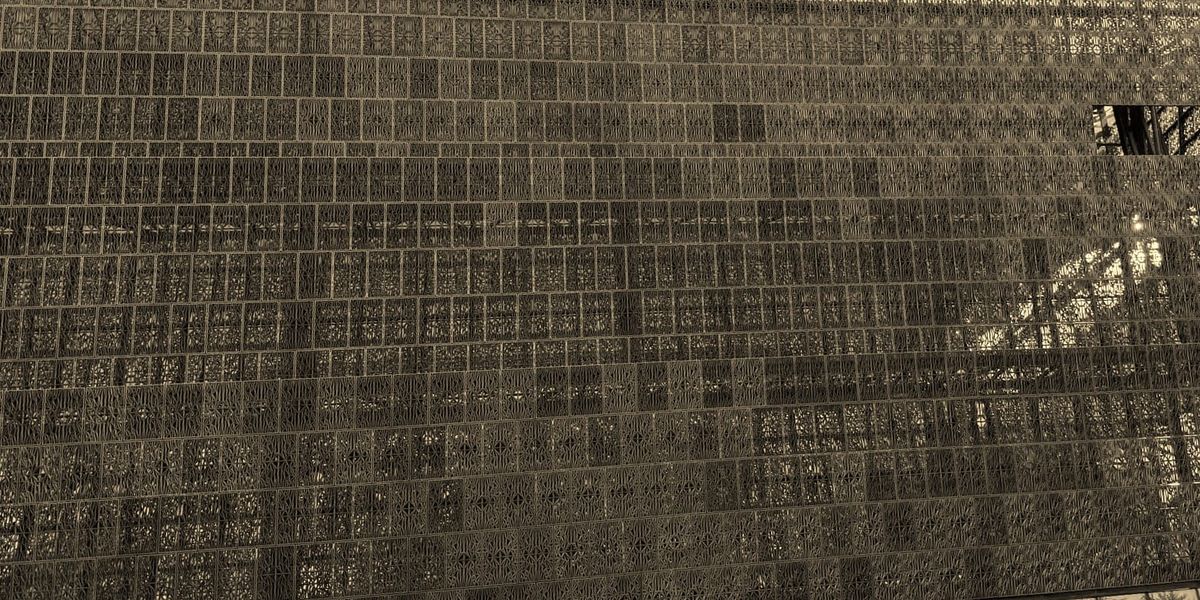
By midnight the land had changed its mind again. Basalt fell away to bowls of glass, and the ground, veined with old lava, held the moon like a mirror. They crested a blue-quartz rise and saw it: a building enshrined in moonlight, every face written over in symbols that seemed to lift off the stone — aglow as if the wall were remembering how to be voice.
Hope drew the horses up without a word. “Adinkra,” she said softly, the way a person names an ancestor before they sit. “I know these. From the shop. From the library. From—” she touched the book at her hip “—here.”
The front lintel wore the symbol for Fawohodie—freedom—as a crown, its arms reaching like a door already partway open. Along the frieze ran Sankofa, the returning bird, head turned back with an egg in its beak—Hope explained each—fetch what you must from the past to live the present rightly. In the center stone, cut so deep light pooled there first, rested Gye Nyame—except for God, nothing is ultimate—the paired spirals holding the night steady.
But it was the walls that did the work. Every course repeated two signs until the pattern became a lattice: Mpatapo, the knot of reconciliation, and Epa, the handcuffs of law. Knot and shackle braided, braided and unbraided, until the negative spaces opened into windows of pure light—no glass, only moon poured and held in place by meaning. The light that passed through those shapes changed as it entered, as if truth were being filtered into something the eye could keep.
“Who would build with law and knot?” the gunslinger asked.
“Someone who understood freedom has edges,” Hope said. “And edges need binding that isn’t a cage.”
They dismounted. The air around the threshold tasted neither of copper nor of ash; it tasted like rain in a bowl. The book warmed against Hope’s palm, the way a sleeping bird warms when it hears its name. The doors—simple cedar, iron-banded—did not refuse them. They swung inward on quiet hinges, and the moon followed, flowing through Mpatapo and Epa until the entryway shone like a river walking uphill.
Inside, the House was not large so much as exact. Columns, octagonal and plain, held up a ceiling hammered to a soft curve. The floor was a mosaic of dark stone into which a single line of silver ran from door to center, as straight as a vow. At the end of that line, suspended by nothing they could accuse, hung a meteor.
It was not large—no larger than a man’s chest—but the room had been built for it. Star-iron, pitted and pebbled, drank the moon and gave back a tone too low for ears, a pressure you feel along the teeth. The gunslinger’s sidearm woke in its holster, metal answering metal the way old friends recognize a gait. He kept his hand away from it and let the humming pass through him.
“It’s a heart,” Hope said, not meaning the body’s kind. She walked a slow circle, reading the smaller carvings worked into the plinth beneath: Sankofa again; the paired spirals of Gye Nyame; tiny knots upon knots—debt forgiven, quarrel mended, vows retied without strangling. “A heart for the land. The House balances it with law and peacemaking. Freedom at the door. Return at the roof. And ‘except for God’ in the middle so no one pretends to own the light.”
“Why here?” the gunslinger asked.
“Because this is where the book this land is written on has thin places,” Hope said. “And thin places need patterns that keep them from tearing.”
They did not touch the meteor. They didn’t need to. It spoke its origin by gravity and scent—the same clean iron he’d felt in the great-grandfather’s forge stories, the same starlit pulse that lived in the blessed rounds. And yet the House offered a mercy: not metal to take, but light to borrow.
He unrolled his small kit on a stone bench as if laying out blanket and book to pray—hand press, travel mold, a twist of nickel-silver foil, primed cases, a thumb of lead, a matchbox vial of “reversed” verdigris paste, three rain-glass tears, and a shaving of old star-iron wrapped in oilcloth from his grandfather’s time. Hope angled her palm against the Sankofa frieze; the lattice windows threw braided bars of moon across the bench, and the meteor’s hum drew the beams tight until they were warm as coals without smoke.
He melted the lead in a spoon that never blackened, fed the tiniest curl of star-iron through the shine, and poured six soft cores. The Mpatapo light crossed the mold like a blessing; the Epa beam followed, straightening the grain the way law keeps a river in its banks. He jacketed each core in a skin of white brass, then cut twin helical capillaries into the ogives—the old pitch his hands remembered—watching the Gye Nyame spiral etch itself finer where the starlight fell. Paste into the bands—lamp oil, river salt, reversed verdigris bound with bee—then a rain-glass tear nested in each hollowpoint: separation, clear and patient. For a quench he did not dunk; he lifted each cartridge slowly through a crossing of lattice light, counting two heartbeats to the pace of a bell that wasn’t there.
When he was done, the cartridges didn’t shine more; they sounded more—quietly right, like tools that remembered their purpose. He had come in with two blessed rounds. He left the bench with eight.
Moon ran through the lattice windows and lay in white pools on the floor. The pools dimmed. Hope looked up. The windows were still white, still the same shapes of knot and shackle, but the light pouring through them thinned as if the moon had taken a breath and forgotten to give the air back.
Outside, the night gathered itself. Not fog. Not storm. A density, as if shadow had finally been paid enough to do what it wanted in public. The Mpatapo-Epa lattice brightened in reply, pulling more light from the moon than the moon offered, holding the edge, holding, holding—
A sound moved through the stone that made the human mind take a knee. It wasn’t roar. It was weight thinking aloud.
“Feel that?” The gunslinger asked.
Hope nodded.
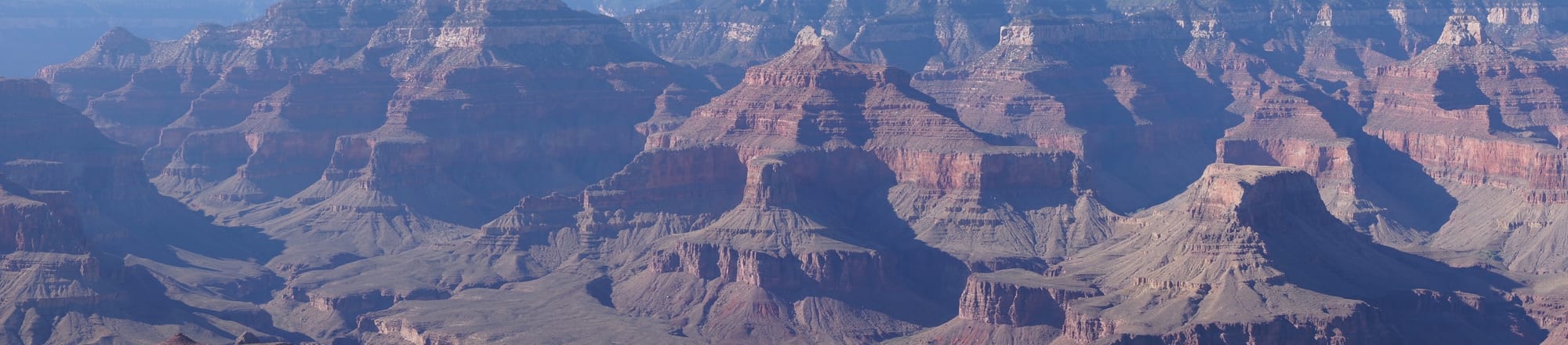
They went to the threshold and saw it waiting, patient as a door you’ve decided not to open: the largest dragon the gunslinger had ever seen, sprawled along the ridge below like a city map. Not ember and furnace like the mill-dragon; not steam-braided like the river kind. This one was night wearing stars, angles cut from absence. When it breathed, the canyons moved a little closer; when it uncoiled, a seam of lava far away remembered it was fire and blushed.
The dragon’s head lifted. Light from the Adinkra windows struck its eyes and did not enter. Where light should have been answered by color, there was the suggestion of depth deeper than dark. It felt the House the way a wolf feels a fence: not as impediment, but as information. It eased forward until the threshold’s law met its snout. It did not touch. It didn’t need to. The pressure of its presence made the cedar and iron sing disagreement to themselves.
“It learned patience,” the gunslinger said, because that was the worst news.
“It learned the shapes we use to keep from breaking,” Hope answered, softer. “And where to stand to watch them work.”
The meteor hummed, higher now, as if closing a wound you could not see. The lattice windows gave up more light than they had any right to. Every repeat of Mpatapo and Epa shone from within, not merely passing the moon but making it—reconciliation and restraint fused into panes no hand had set. The symbols did not argue with the dragon. They ignored it. That, for the moment, was enough.
“We can’t stay to weather it,” the gunslinger said, measuring angles—door to porch to saddle to shadow, the way a man measures a river before he takes the horse in.
“We can’t leave it for the next person who doesn’t read,” Hope said, eyes on the knot-and-shackle light. Her fingers brushed the phoenix book. It warmed a fraction, as if a bird under a shell had decided the world wasn’t hopeless.
She did not call. He did not draw. Between them stood a House built on meanings that outranked both. The dragon watched, content to be the horizon of their options. Outside the windows the darkness pulled itself closer and closer until the Adinkra shone like starmaps pinned to a void.
“What does freedom say?” the gunslinger asked, nodding at Fawohodie above the door.
“That you go,” Hope said. “What does law say?”
“That you don’t break what’s keeping the thin place from tearing.”
“And reconciliation?”
“That we find the path that keeps both true.”
They moved as the House taught them. Not straight at the door, not back to the meteor. They walked the silver line in the floor in reverse—center to threshold—as if untying a knot the careful way and not with teeth. The dragon’s head tracked the motion, amused or merely alive enough to notice. The lattice brightened at each step; Mpatapo and Epa flared where their shadows fell. At the sill, Hope set her palm to Fawohodie and spoke a word she had no business knowing but had always known anyway, something she’d learned in pieces from the sorceress’ laugh and Mercy’s ledger and the librarian’s guarded kindness.
The doorframe answered in light. Not a shield; not a weapon. A permission.
“Now,” she said.
They didn’t run. They moved like people who had asked a good house for a favor and meant to keep paying for it after. The dragon uncoiled—a continent shrugging—and the darkness folded to make room for its head. The windows of knot and shackle held their beams like rails. Hope and the gunslinger stepped into that light and became, for the length of a breath, untouchable.
Beyond the threshold, the world snapped back to its old habits: heat in the rock, copper hunting the tongue from somewhere beyond the ridge, stars bright enough to be believed. The dragon changed weight, calculating whether to strike or continue its long, patient siege. The House, behind them, stood on meanings the demon had not yet learned to counterfeit.
“Mount,” Hope said, and his body was already in the motion.
They cleared the moonlit apron and hit the glassy slope at an angle that made sliding look like choice. Hooves found holds. The dragon came, not roaring, just arriving. The House’s light narrowed to a seam behind them; the thin place hummed but did not tear.
At the ridge, the gunslinger allowed himself one glance back. The Adinkra still shone. Mpatapo. Epa. Fawohodie. Sankofa. Gye Nyame. The meteor held. The darkness pressed. The House continued.
“Which way?” he asked.
“Toward the star that doesn’t blink,” she said.
He followed the middle belt star. The dragon followed them. The House kept humming to itself like a knot refusing to become a noose, and the lines of the book that held this land stayed ink, not rip. For now.