Feathers for Starlight
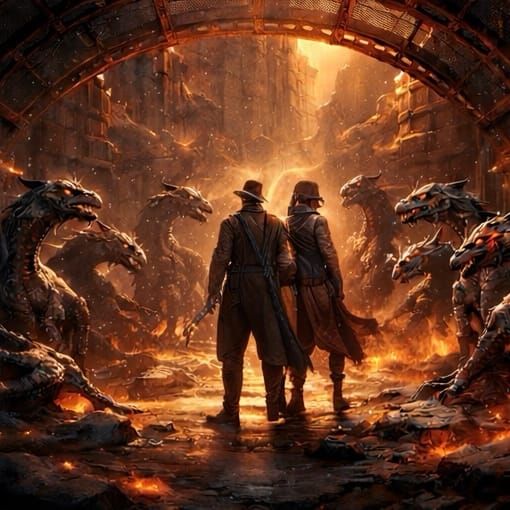
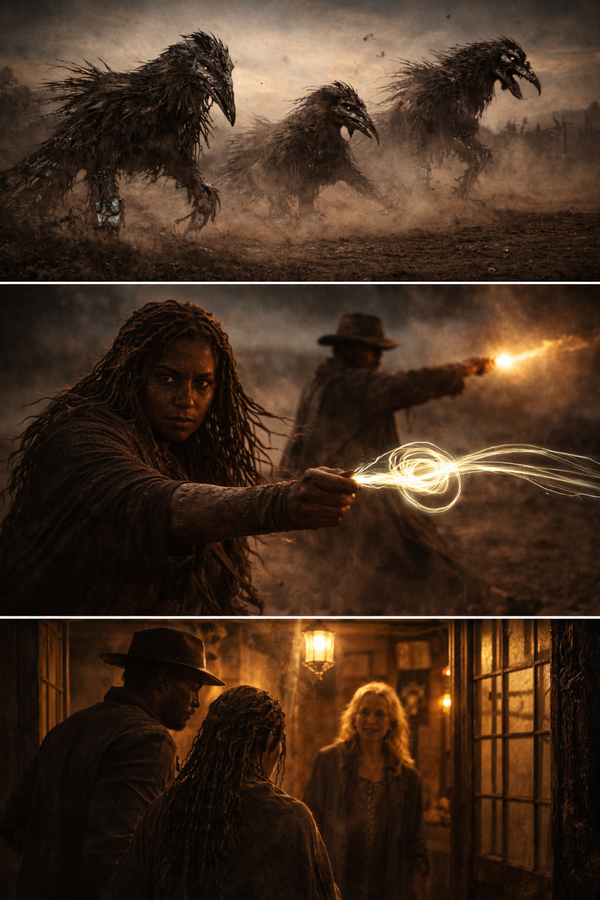
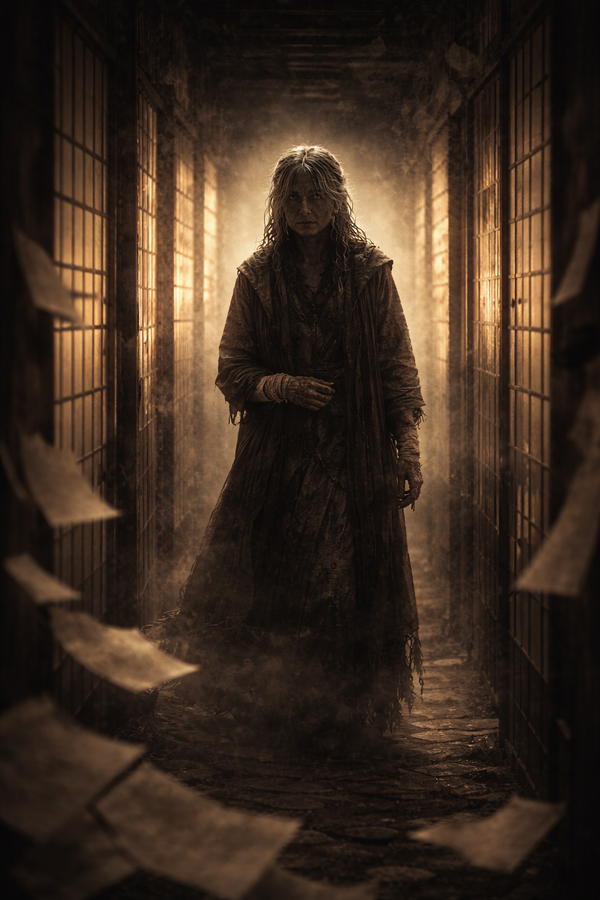
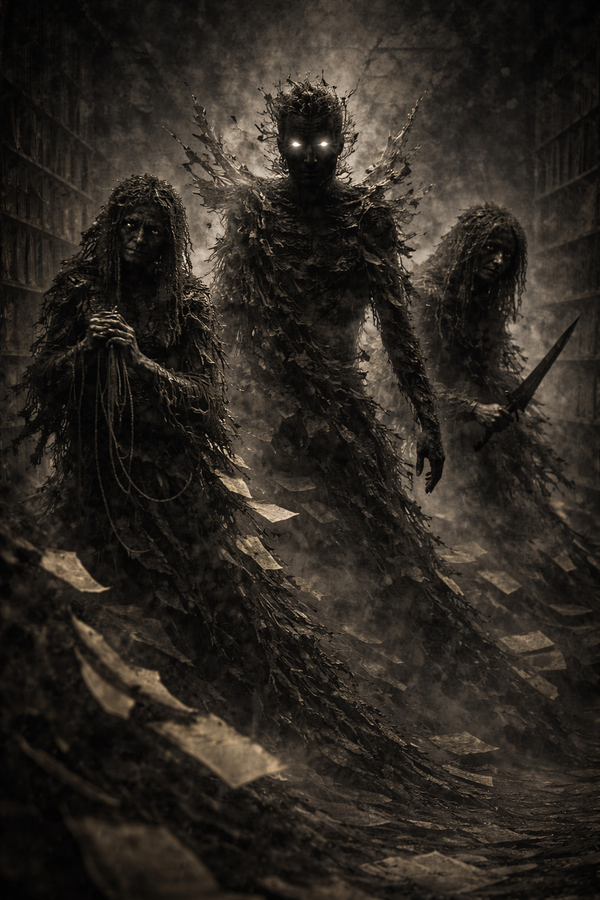
They thanked the librarian the way tired people thank a roof—hands, eyes, a promise to come back with more of themselves than they were taking away—and stepped into morning that smelled of paper and frost. The red-tailed hawk rode Hope’s shoulder like a punctuation that corrected without scolding. The gunslinger touched the brim of his hat to the door and to the man who would pretend later he had only shelved books.
They did not choose a road. The middle star on Orion’s belt set it for them—steady as a nail in the sky, exact as debt. They let the star pull them through streets that remembered bells and then over the rim into land that refused to be named.
The first blow came without thunder.
Hope’s face tilted as if listening through stone; her pupils widened until they were their own night. The hawk shifted, talons gentle on her coat. He caught her before she slid and held her there on the saddle while the vision took her whole and made room for no one else.
A map wrote itself behind her eyes. Not ink; authority. Constellations bent their lines into a path a horse could trust—belt to shoulder, shoulder to knee, then away from all the mercy she’d ever been taught toward a quarter of the sky that had never wanted people. She saw mountains that moved when you weren’t watching and sky that had learned to stop blinking. She tasted cold that argued with teeth. She felt copper grinning under rock.
“Darker,” she said, voice back, paper-steady. “Darker than any of your kind have ridden.”
“Ride,” he said, and the hawk’s tail twitched once as if agreeing.
Shadow accepted them the way water accepts a thrown knife. Cold came up from the ground instead of down from the air. Peaks took steps in the corners of their eyes. Once, a ridge a mile away changed its mind and stood somewhere else. They moved anyway, trusting the star’s string and the bell inside their ribs.
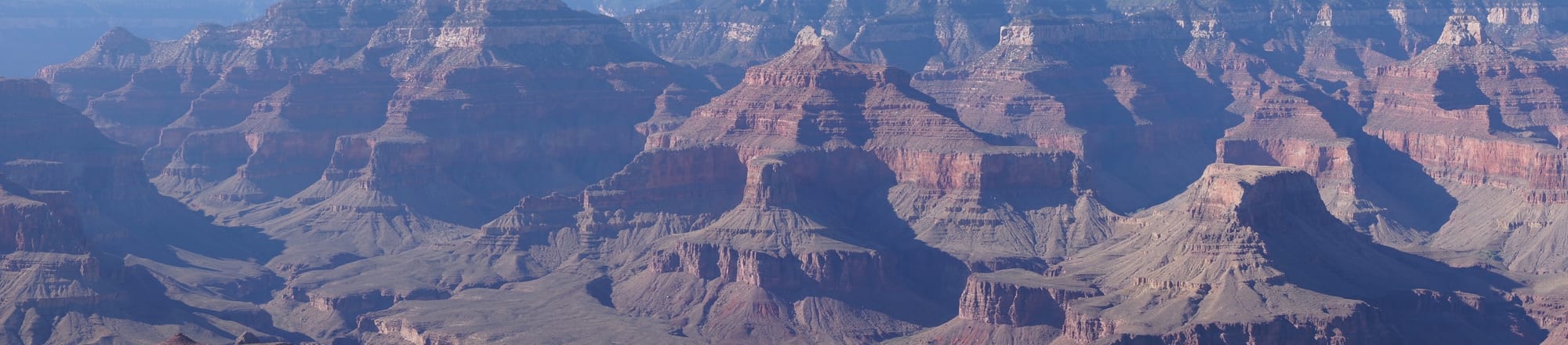
Toward noon they found the canyon. It had been torn open by molten rock long before bells were invented and then pried wider by hands that liked metal more than truth. Copper girders arced from wall to wall, clean mouths hammered into the stone at intervals, holding the gorge open like a jaw set for surgery. Heat coughed from seams along the floor—memory lava, not ready to forget itself. The air hummed with the kind of wrong that thinks it is architecture.
They went in because the map said in.
Halfway to the red heart, the canyon smiled its trap. Shadow slid off ledges like oil. Twelve long, low dragons uncoiled from the copper and the dark, lean as arguments and twice as eager, their ridges bright with hammered bands. They loped into a circle without touching, mouths polite, eyes older than wrong answers.
“What is fed without a mouth?” breathed the first, head tilted, tongue thin as floss.
“What goes on four, then two, then three?” purred the second.
“What breaks if you speak it?” inquired the third, tail writing its own punctuation in dust.
The rest followed, riddles clicking like rosary beads, each question thrown not for answer but for leash. The thirteenth did not wait outside the circle this time. It stood on the copper above them, silent as a settled ledger, weight arranged so the canyon believed it.
The hawk wasted no speech.
Its cry tore the gravity out of the air and showed it back to itself. The sound wasn’t volume; it was instruction. The copper bands trembled. The lava remembered it was only heat. Eleven dragon-heads lifted a fraction as if called to attendance and in that fraction the hawk moved—feather-edge made law—across the circle like a red streak of correction. Talons found joints that had never been introduced to consequence; beak touched ridges and taught them humility. Where the cry went, shadow forgot which way was down. Where the wings crossed, cunning became orphans.
One, two, three—questions turned to dust in their mouths. Four, five, six—copper rings spat green breath where the gunslinger’s star-iron had taught them how to lose. Seven, eight, nine—bodies of subtraction fell like bad math. Ten, eleven, twelve—the circle broke into silence that couldn’t find its leash.
The thirteenth did not ask.
It fell from the copper with the quiet of a decision made by a room with no witnesses. Its breath was not cold or hot; it was a lack that found purchase. The hawk banked to meet it, all clean angles and old work, the red tail bright as a verdict.
At the last instant the hawk turned—backwinged hard—so that it met the gunslinger’s outstretched arm. Its weight landed without mistake. It looked at him with the eye that had taught his spine to be taller and then did a thing birds do for no one: it loosened itself of three tail feathers—retrices, rudder, the art of steering—and placed them across his palm like tools you hope a friend will learn to use. The feathers were warm and humming with a mathematics he could feel.
Then the thirteenth’s absence closed over the hawk.
No gore. No ruin. A clean subtraction. The cry cut off mid-instruction and gravity took a cruel breath.
The canyon rang wrong and right at once. Hope’s mouth opened on a sound that wasn’t a laugh and wasn’t a word, and the copper bands around them shivered as if ashamed. The gunslinger did the thing he does when grief stands between him and aim: he moved.
A blessed round went into the nearest cross-brace and persuaded it into green smoke. Another found the mouth where the copper bit the rock and negotiated an apology. The canyon’s jaw lost its brace. Stone reconsidered its loyalties. The thirteenth turned to keep its footing on a floor that had chosen to be a wall; for a breath its perfect weight belonged to no direction.
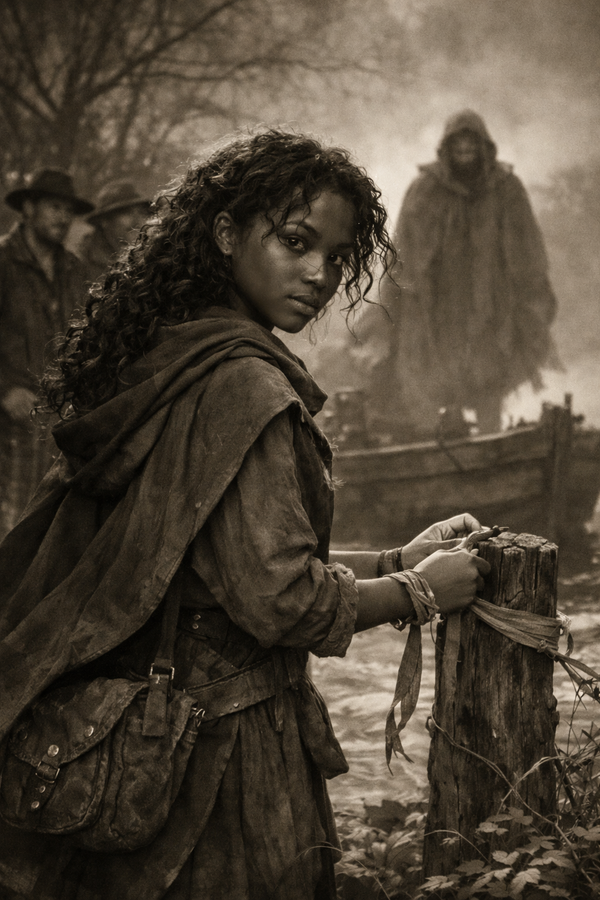
Hope drew Mpatapo in the falling dust with her heel—knot of reconciliation—and spoke the smallest word that can keep a page from tearing. The pattern held just long enough for the gunslinger to put his final bright round where a ledger keeps its heart.
Not in the head. Not in the chest. In the hinge—where intention chooses muscle. Blue-gold walked in and shadow broke like glass across marble. The thirteenth’s silence became a noise it did not recognize and then nothing at all.
They did not celebrate or mourn. They ran.
He stuffed the feathers under his coat where the meteor had once warmed his sternum by proxy. She grabbed the rein and found a line of stone that remembered being road. Behind them, copper coughed itself into breath and the canyon narrowed with relief, shedding the shape theft had taught it. Lava purred like an animal turning over and going back to sleep.
They did not stop until the smell of iron lost its memory of furnaces and the star over the rim looked like law again. Only then did they breathe like people.
He opened his hand. Three feathers lay there, red band clean, tips whiter than mercy, shafts singing a note too low to own. He felt the meteor hum along the edges of his memory and knew a forge when it arrived without tools.
“The House,” he said.
“The House of light and knots,” she said. “We blend feathers with starlight.”
“And teach copper to listen,” he said.
“And teach gravity to share,” she answered, voice paper-soft and unbreaking.
They turned the horses toward the place that understands patterns and law and doors that stay doors under pressure. Orion’s middle star refused to blink. Behind them, the canyon practiced closing its mouth.
Ahead, a good, now familiar, House waited with a meteor at its heart and windows made of light. In his coat, feathers whispered to star-iron. On her shoulder, where a bird had been, the air remembered up.